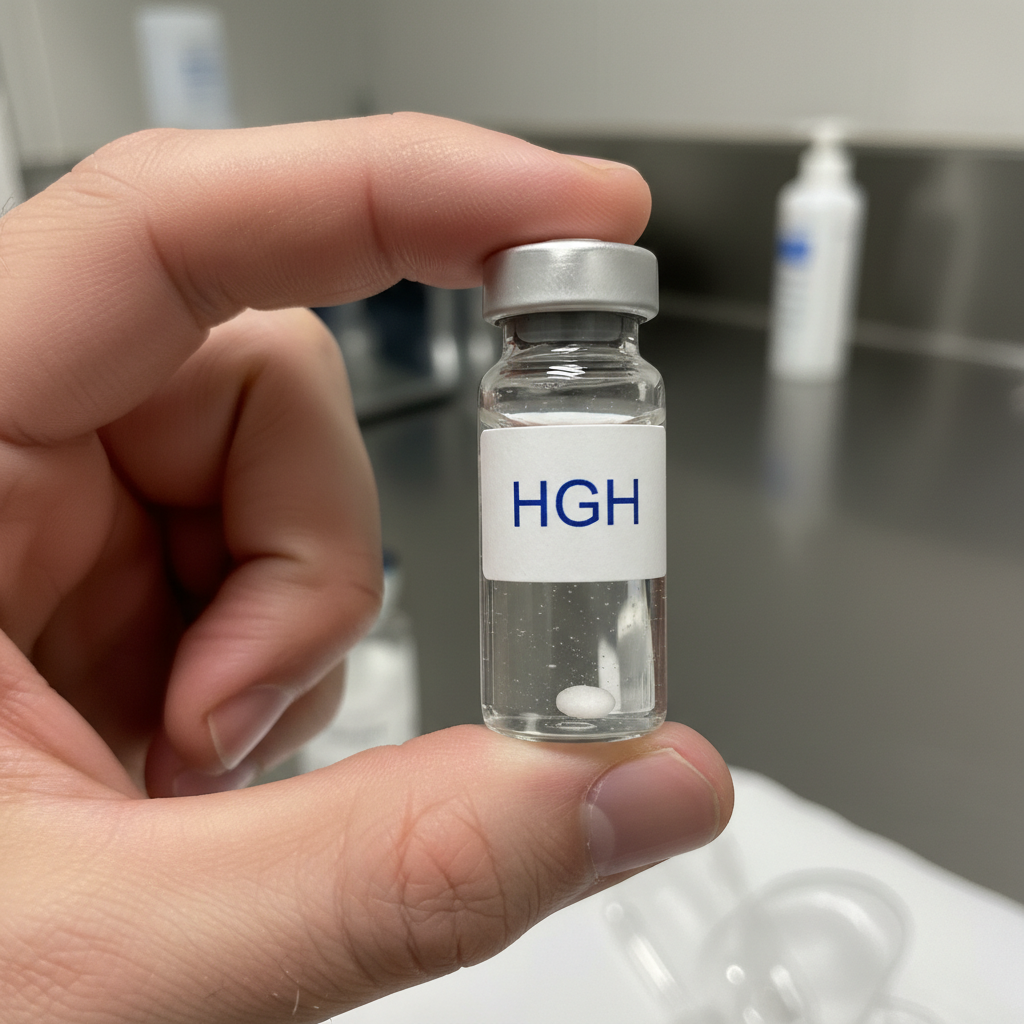
- What is Human Growth Hormone (HGH), and what role does it play in the body?
Human Growth Hormone (HGH), also known as somatotropin, is a peptide hormone produced by the anterior pituitary gland. It plays a critical role in growth, cell regeneration, and metabolism.
During childhood and adolescence, HGH stimulates the growth of bones and tissues. In adults, it helps maintain muscle mass, bone density, and metabolic function. HGH also influences fat metabolism, cardiovascular health, and overall body composition.
- What are the medical indications for HGH therapy?
HGH therapy is FDA-approved for specific medical conditions, including growth hormone deficiency in children and adults, Turner syndrome, chronic kidney disease in children, short stature due to idiopathic causes, and muscle-wasting conditions associated with HIV/AIDS. Treatment must be prescribed and monitored by a qualified healthcare provider based on diagnostic testing, such as insulin-like growth factor-1 (IGF-1) levels and stimulation tests.
- Is HGH used for anti-aging or performance enhancement safe and legal?
The use of HGH for anti-aging purposes or athletic performance enhancement is not approved by the U.S. Food and Drug Administration (FDA). While some individuals pursue HGH for these off-label uses, there is limited scientific evidence supporting its efficacy in healthy aging or athletic improvement. Moreover, non-medical use of HGH may pose serious health risks, including joint pain, insulin resistance, edema, and increased risk of cardiovascular disease. Unauthorized use or distribution of HGH is also illegal in many countries.
- What are the potential side effects of HGH therapy?
When used under medical supervision for approved conditions, HGH is generally safe, but side effects may occur. Common side effects include fluid retention, joint and muscle pain, carpal tunnel syndrome, and insulin resistance. Long-term misuse or excessive dosing can lead to more serious complications such as type 2 diabetes, enlarged heart (cardiomegaly), and increased risk of certain cancers. Patients undergoing HGH therapy should be regularly monitored by a healthcare provider.
- How is HGH administered, and how long does treatment typically last?
HGH is administered via subcutaneous injections, usually on a daily basis. The dosage and duration of treatment depend on the individual’s diagnosis, age, weight, and response to therapy.
For children with growth hormone deficiency, treatment may continue for several years until growth plates close. In adults, therapy may be ongoing if deficiency persists. Treatment plans are tailored by endocrinologists and require periodic evaluation through blood tests and clinical assessments to ensure safety and effectiveness.