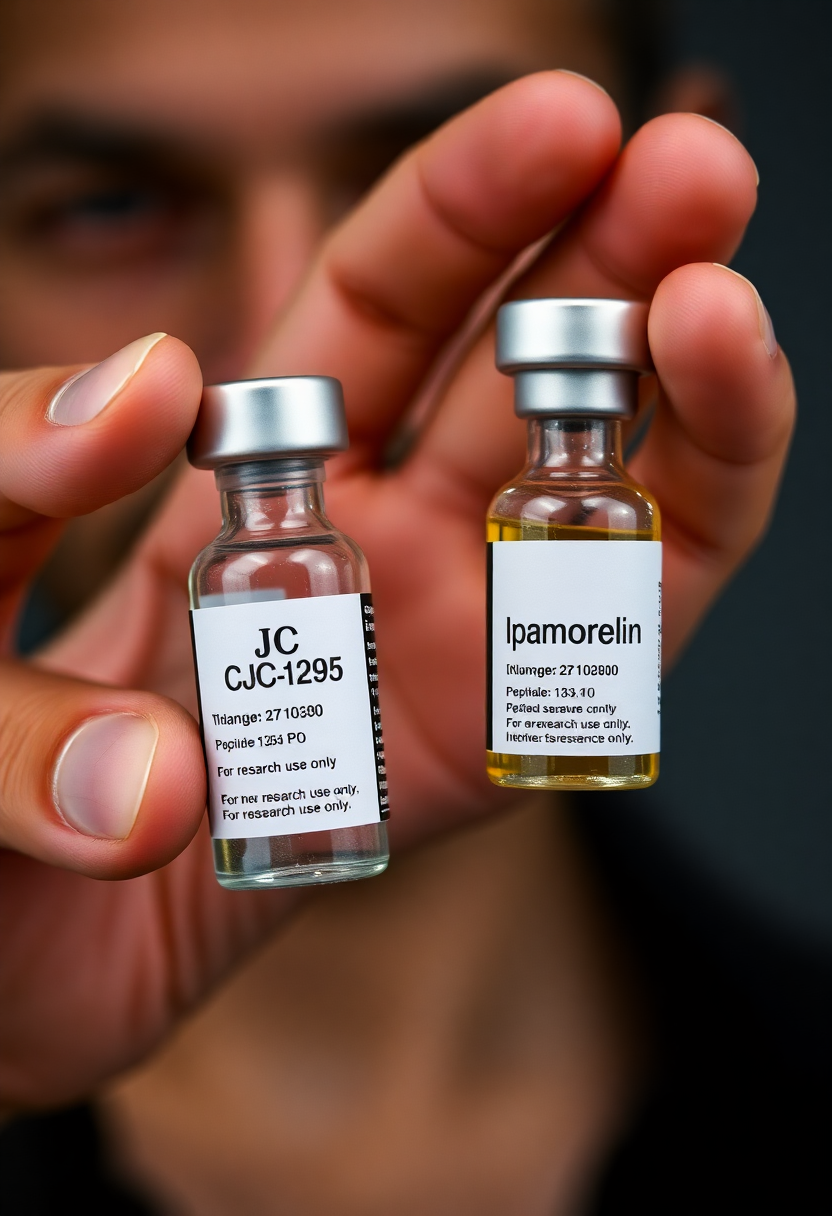
Peptide cycles are a concept that often sparks curiosity in scientific, medical, and fitness communities. If you’ve ever wondered what peptide cycles are and why they’re relevant, you’re not alone. This term refers to a systematic approach to using peptides—short chains of amino acids—in defined phases or “cycles” to achieve specific results. If you’re interested in enhancing your fitness routine, boosting recovery, or diving into the scientific applications of peptides, understanding peptide cycles is a valuable step forward.
What Are Peptides?
Before we explore peptide cycles, it is essential to first define what peptides are. Peptides are the smaller components of proteins, generally consisting of 2 to 50 amino acids that are connected. They function as signaling molecules within the body and are vital for various processes, including cell communication, hormone regulation, immune system enhancement, and tissue repair. Owing to their diverse characteristics, peptides have attracted considerable interest in areas such as medicine and the optimization of athletic performance.
What Are Peptide Cycles?
Understanding “Cycles”
Peptide cycles refer to structured periods during which specific peptides are used according to a planned routine, followed by a break or rest period. This approach helps maintain effectiveness, prevent potential side effects, and optimize results—whether the goal is improved muscle growth, faster recovery, better sleep quality, or other targeted outcomes.
The idea is simple: use peptides for a designated length of time, allow the body to recalibrate during the ‘off-cycle,’ and then resume usage if you need it. This patterned use helps avoid desensitization and allows the body to sustain long-term benefits.
Why Use Peptide Cycles?
Peptide cycles are implemented for several reasons:
- Maximizing Efficacy: Continuous use of peptides can sometimes lead to reduced effectiveness over time. Specific cycles give the body time to adjust.
- Reducing Side Effects: Cycling allows the body to reset, minimizing risks of dependency or negative effects.
- Tailored Outcomes: Different peptides can be used in varying phases of a cycle to target goals like muscle growth, fat loss, or healing.
- Regulatory Compliance: In certain cases, peptide cycling aligns with guidelines for safe and legal usage, particularly in sports.
How Are Peptide Cycles Structured?
While the exact structure of peptide cycles may vary depending on individual goals and the type of peptide being used, the general pattern involves the following steps:
1. Preparation (Pre-Cycle Phase)
- Goal Setting: Identify your primary purpose for using peptides, whether it’s enhancing performance, recovery, or general wellness.
- Consultation: Seek advice from experts, such as healthcare professionals or trainers who are knowledgeable about peptides.
- Baseline Health Assessment: Check for pre-existing conditions or sensitivities that may influence peptide usage.
2. Active Cycle Phase
- This is the period during which the chosen peptides are actively administered, according to dosage guidelines and a fixed schedule. A typical active phase might last 4-12 weeks, but it varies widely.
- Common peptides utilized in cycles include Growth Hormone Releasing Peptides (GHRPs), BPC-157 for tissue repair, or CJC-1295 for anti-aging benefits.
3. Rest Period (Off-Cycle Phase)
- After completing the active cycle, the off-phase allows your body to reset and adapt naturally. Off-periods typically mirror the length of the on-cycle.
4. Evaluation and Adjustment
- Post-cycle evaluations are crucial for determining the effectiveness and identifying any required adjustments before initiating the next cycle.
Frequently Asked Questions About Peptide Cycles
1. What are peptide cycles used for?
Peptide cycles are commonly used to enhance muscle growth, accelerate recovery from injuries, improve metabolism, support anti-aging efforts, and regulate sleep patterns.
2. Are peptide cycles safe?
When managed responsibly and under expert supervision, peptide cycles are considered safe for most individuals. However, misuse or improper dosing can pose risks.
3. How long should a peptide cycle last?
A typical peptide cycle ranges from 4 to 12 weeks, depending on the peptide and personal goals. Rest periods of equal duration are often recommended.
4. Do I need professional guidance for peptide cycles?
Yes, consulting with healthcare providers or trainers experienced in peptide usage is highly recommended to tailor cycles safely and effectively.
5. Can peptides cause side effects?
Some peptides may lead to minor side effects, such as irritation at injection sites, headaches, or nausea. Proper dosage and cycling help reduce these risks.
Conclusion
Peptide cycles are more than just a trending topic—they represent an efficient, strategic way to harness the full potential of peptides. By following a structured cycle, users can maximize benefits, minimize risks, and achieve targeted results ranging from physical performance enhancement to recovery and general wellness improvements. However, it’s important to approach peptide cycles thoughtfully, with professional guidance and clear goals in mind.
What are your thoughts on peptide cycles? Have you had any experience with them? Feel free to share your feedback or ask questions below—I’d love to hear from you!