In the world of biology and health science, the term “peptides” has increasingly captured attention. From skincare products to fitness supplements, peptides are hailed as powerful agents with diverse functions and benefits. But what exactly are peptides, and why are they so important? This detailed guide will explore everything you need to know about peptides, their roles in the body, different types, and their growing applications in medicine and wellness.
Understanding Peptides: The Basics
Peptides are short chains of amino acids linked together by peptide bonds. To put it simply, they are smaller versions of proteins. While proteins consist of long chains containing hundreds to thousands of amino acids, peptides generally contain between 2 and 50 amino acids in a sequence. This size difference allows peptides to perform specialized biological roles with remarkable efficiency.
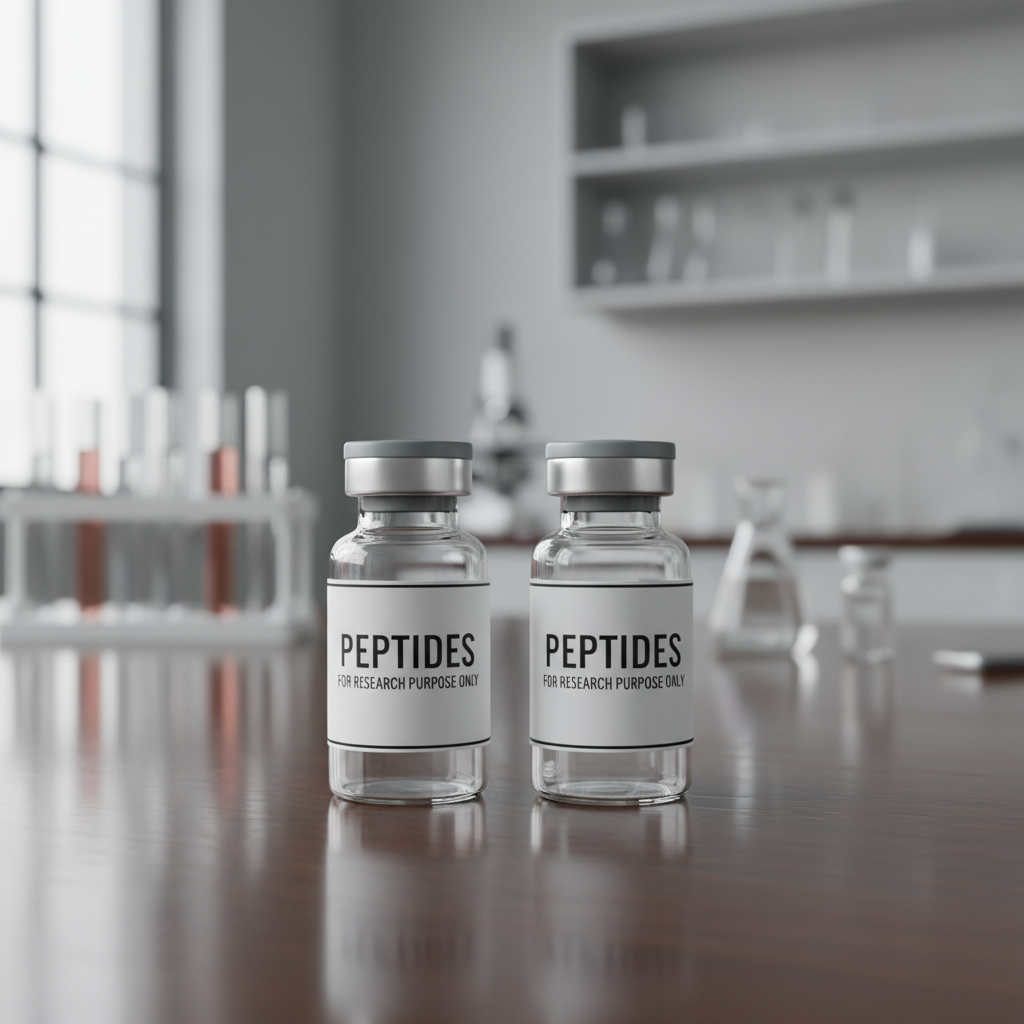
Amino acids, the building blocks of peptides, are organic compounds that combine in specific sequences to form peptides and proteins. The exact order of amino acids in a peptide determines its structure and function, much like the way letters form words and sentences.
Peptides play critical roles in virtually every biological process, acting as hormoness, neurotransmitters, enzymes, and signaling molecules. Their ability to influence cellular functions makes them essential for maintaining bodily health and supporting complex physiological mechanisms.
The Structure and Classification of Peptides
To better understand peptides, it helps to look at how they are classified based on their size and function:
- Oligopeptides
These peptides contain between 2 and 20 amino acids. Examples include dipeptides (2 amino acids), tripeptides (3 amino acids), and tetrapeptides (4 amino acids). Oligopeptides often serve as signaling molecules or fragments of larger proteins. - Polypeptides
Polypeptides are longer chains, comprising 21 to 50 amino acids. Many hormones and enzymes fall into this category. For instance, insulin is a polypeptide hormone made up of 51 amino acids. - Proteins
When peptides exceed 50 amino acids, they are generally classified as proteins. While this review focuses on peptides, it’s important to note the continuum between peptides and proteins in biological systems.
In addition to size, peptides can be categorized by function:
- Hormonal peptides (e.g., oxytocin, vasopressin) regulate physiologicaal processes.
- Neuropeptides influence nerve activity.
- Antimicrobial peptides provide immune defense.
- Signaling peptides help cells communicate within tissues.
How Peptides Work in the Body
Peptides act as messengers that transmit signals between cells, tissues, and organs. Their small size enables them to move easily through membranes and bind to specific receptors, triggering responses that regulate metabolism, immune responses, cell growth, and repair.
Some key ways peptides function include:
- Hormonal action: Peptides like insulin modulate blood sugar levels.
- Immune defense: Antimicrobial peptides attack harmful bacteria.
- Tissue regeneration: Certain peptides promote collagen synthesis, cruciall for skin elasticity and wound healing.
- Neural communication: Neuropeptides affect mood, pain perception, and appetite control.
Because peptides influence such a wide range of physiological activities, they have become targets for therapeutic use in treating diseases and enhancing wellness.
Top 7 Benefits of Peptides You Should Know
Thanks to their versatility, peptides offer numerous benefits, especially in modern health and cosmetic applications. Here are seven advantages making peptides popular today:
- Improved Skin Health
Peptides stimulate collagen production, reduce wrinkles, and enhance skin firmness. This property makes them prized ingredients in anti-aging skincare products. - Enhanced Muscle Growth and Fat Loss
Some peptides promote muscle repair and growth by signaling anabolic pathways, attracting athletes and fitness enthusiasts. - Faster Wound Healing
Peptides can accelerate tissue repair by encouraging cell regeneration and reducing inflammation. - Strengthened Immune System
Antimicrobial peptides help defend the body against pathogens, supporting overall immunity. - Hormonal Balance
Peptides used therapeutically can replace or stimulate hormones naturally, aiding conditions like growth hormone deficiency. - Reduced Inflammation
Certain peptides possess anti-inflammatory properties, beneficial for chronic inflammatory diseases. - Better Cognitive Function
Neuropeptides influence brain activity, potentially helping memory, focus, and mood regulation.
Peptides in Medicine and Skincare: Applications That Matter
The multifaceted nature of peptides has led to wide-ranging applications across industries:
Medical Uses
Pharmaceutical research has developed synthetic peptides to treat a variety of conditions:
- Diabetes: Insulin, a peptide hormone, revolutionized diabetes management.
- Cancer Therapy: Peptide-based drugs can target tumor cells selectively.
- Vaccines: Peptide vaccines stimulate immune responses without using whole pathogens.
- Hormone Replacement: Peptides mimic natural hormones for therapy in hormone deficiencies.
These medical advances continue to expand as scientists uncover new peptide functions.
Skincare Innovations
In cosmetology, peptides are front-runners in anti-aging and skin restoration formulations. Products containing peptides help:
- Rebuild collagen and elastin fibers
- Hydrate and plump skin
- Reduce fine lines and wrinkles
- Protect against environmental stressors
Because peptides are naturally occurring and biocompatible, they tend to be well-tolerated by most skin types.
How to Incorporate Peptides Into Your Routine
If you’re considering peptides for health or beauty benefits, here are practical ways to get started:
- Skincare Products: Look for serums or creams labeled with peptides such as palmitoyl pentapeptide or copper peptides.
- Dietary Supplements: Peptide supplements may support muscle recovery and immune health.
- Medical Consultation: For hormonal or therapeutic peptide use, consult healthcare professionals for safe and effective treatment plans.
- Exercise and Nutrition: Supporting your body’s natural peptide production through proper nutrition and exercise enhances overall results.
Safety and Side Effects of Peptides
While peptides are generally safe when used appropriately, some precautions apply:
- Synthetic peptides should be sourced from reputable manufacturers.
- Self-administering peptide injections without medical supervision can pose risks.
- Allergic reactions or skin irritation may occur with topical applications.
- Long-term effects of some novel peptides remain under study.
Always follow product instructions and seek medical advice if unsure.
Frequently Asked Questions About Peptides
- What is the difference between peptides and proteins?
Peptides are shorter chains of amino acids (up to 50), while proteins are longer chains typically exceeding 50 amino acids. - Can peptides help with skin aging?
Yes, peptides stimulate collagen production and improve skin elasticity, which can help reduce wrinkles and signs of aging. - Are peptide supplements effective for muscle growth?
Certain peptides can support muscle repair and growth, but results vary. It’s important to combine with proper diet and exercise. - Are peptides safe to use topically?
Generally, yes. Topical peptides in skincare are considered safe, though patch tests are recommended for sensitive skin. - Do peptides occur naturally in the body?
Absolutely. Peptides are naturally produced and perform many essential biological functions.
Conclusion
Peptides are fascinating biological compounds, acting as essential messengers and regulators within the human body. Their varied roles—from hormone regulation to immune defense and skin rejuvenation—underscore their importance in health and medicine. As scientific research progresses, peptides continue to emerge as promising tools for therapeutic interventions and wellness enhancements, driving innovation in pharmaceuticals and cosmetics alike.
Whether you’re intrigued by the anti-aging benefits of peptides in skincare or curious about their medical potential, understanding what peptides are and how they work offers valuable insight into these tiny yet mighty molecules.
Have you tried peptide-based products or supplements? Share your experiences or questions in the comments below—we’d love to hear from you! Your feedback helps us create even more informative and engaging content about peptides and other fascinating health topics.
This article was created with the help of AI. For specialized advice, please consult a qualified professional.